Unlocking sustainability: key recommendations from the equipment recycling hub round table panel
 Kim Hollamby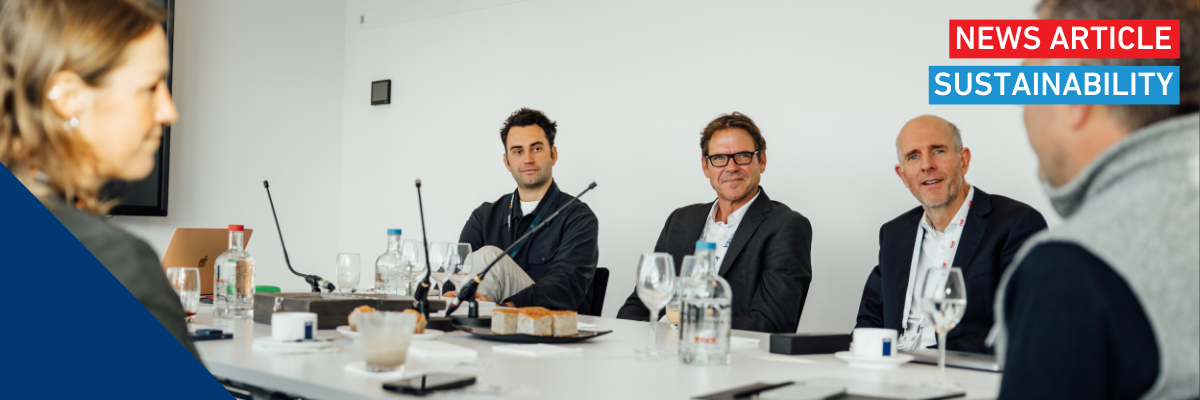
Environmental stakeholders participating in last November’s Equipment Recycling Hub Round Table at METSTRADE 2023 engaged in a far-reaching discussion that outlined many industry opportunities and challenges. Their collaborative session has since been summarised by Victoria Low of World Sailing Trust. We look here at their initial recommendations.
Earlier this year we published a blog outlining results from the Equipment Recycling Hub - a joint venture between World Sailing, the World Sailing Trust, and METSTRADE. This initiative harvested a broad mix of composites, sails, rope, rigging, and clothing discarded by 2023 Allianz Sailing World Championships’ competitors.
One objective was the redistribution of the items for second use and to remind participants of the contribution they can make to more sustainable practices. Another was to display the recovered kit on an Equipment Recycling Hub feature at METSTRADE 2023 to provoke discussion and raise awareness of the need for greater sustainability across the recreational boating sector.
Victoria Low, the Head of World Sailing Trust, chaired a round table with industry leaders and sustainability experts on the last day of the show to discuss the impacts of the Hub and the wider issue of marine equipment disposal.
The session was a far reaching and informed discussion that has now been brought together in a shortly to be released World Sailing Trust report for wider exposure of the ideas that emerged. It summarises the panel’s ideas about how to drive more sustainable practices within marine equipment manufacturers and end users.
The panellists represented a wide range of relevant expertise and interests:
- Bruno Giuntoli Founder of The Foiling Sumoth Challenge
- Bill Goggins CEO, Harken
- Jonquil Hackenberg CEO, Eunomia
- Patrick Hemp Technical Consultant, ICOMIA
- Paul Honess Sales Director, Marlow Ropes
- Pieter Kuiper Senior Project Manager at Autorecycling Netherlands (ARN)
- Jono Macbeth Sustainability Manager, North Sails
- Amy Munro Sustainability Officer at 1 Degree 11th Hour Racing Team
- Ollie Taylor Project Director, MarineShift 360
Essential need for partnerships, collaboration, education, and logistics
The panel was in common agreement about the merits of the Equipment Recycling Hub, recognising its potential for provoking awareness of sustainable practices within sailing. The Hub also demonstrates great promise as a means of creating second uses for marine equipment that often has plenty of life left in it after serving its original purpose. It does however require support in the form of means of collection and redistribution.
The discussion included options for improving the viability of marine equipment recycling and broadening its scope. Then looked beyond to the means of improving manufacturing practice. The panel identified several important requirements to accelerate marine equipment second use, recycling and circularity-focused initiatives. These included:
- Collaboration with manufacturers: Working closely with equipment manufacturers to help integrate recycling practices into the production cycle. Establishing partnerships and agreements to support and streamline the recycling of manufacturers’ products.
- Global partnerships: Forming partnerships with international organisations, logistics companies, and recycling facilities. Create a network spanning different regions, ensuring a more comprehensive and effective approach.
- Education and awareness: Promoting awareness among athletes, events and organisations, and the general public. Driving engagement and participation by emphasising the importance of recycling, the environmental impact of sports equipment, and the benefits of circular practice.
- Local initiatives: Complementing larger, global strategies by establishing recycling hubs or collection points at marinas, sailing events and encouraging athletes and fans to contribute to the recycling effort.
- Research and development: Working with organisations such as the Sustainable Marine Alliance to encourage a research hub for new, eco-friendly materials and improved recycling technologies.
11 key recommendations
Distilling down the panel’s more broadly based discussions, the World Sailing Trust’s summary outlines 11 key recommendations to accelerate authentic improvements in sustainability for marine equipment. Most apply equally to the wider recreational marine industry and its customers:
- Enhancing leadership and governance through class associations: World Sailing to lead on strengthening leadership and governance to effectively guide and govern across all sailing classes.
- Recognising the value in unused items: ‘One person’s waste is another person’s gold’ – emphasising the potential value of discarded and unused equipment for second use to boost participation across all areas of sailing.
- Give Boxes/Marina Boxes: Establishing a network of Give Boxes/Marina Boxes to encourage the reuse and sharing of equipment and accessories.
- Educational initiatives: Raising awareness within the marine industry and promoting better understanding of sustainable practices regarding the environmental impact of marine equipment and encouraging responsible purchasing decisions.
- Financial transition strategy – insetting framework: Transitioning financially through insetting (investment in carbon reduction projects within a manufacturer’s own supply chain). Developing a structured framework to guide and standardise the insetting process.
- Industry-wide measurement of waste streams: Quantifying waste streams throughout the marine industry to gain a comprehensive understanding that helps to facilitate effective waste management.
- Development of a comprehensive logistics network: Establishing a system capable of streamlining the repurposing, reuse or recycling of end-of-life sports equipment.
- Returns incentive programme: Working with manufacturers to create an incentive scheme to encourage the return and proper disposal of end-of-life marine equipment, encouraging a responsible approach among users.
- Cultural transformation: Fostering a cultural shift within the marine community towards sustainability and responsible consumption.
- Enhancing visibility for the Equipment Recycling Hub: Raising awareness of this initiative to promote accountability and environmental stewardship.
- Promoting socio-economic development: Creating positive social and economic impacts by integrating sustainable practices into the marine industry.
Further considerations and immediate plans
In looking at the overall picture, the Equipment Recycling Hub round table also touched on important strategic changes that the industry must aspire to. It identified that collaborative partnerships with other associations and organisations outside of the sector are now vital for sharing best practice and resources.
Manufacturers need to move towards circular design principals where long service life, the ability to repair and ease of recycling are all considered. There should be a move towards the establishment and use of green certification programmes and Extended Producer Responsibility (EPR) policies so that the sustainable credentials of equipment are validated and that manufacturers assume financial responsibility for end-of-life management of their products.
More immediately you can expect to see more activity centred around the Equipment Recycling Hub, with a series of events in planning for 2024. If you or your business would like to lend your weight to this initiative, please contact victoria.low@worldsailingtrust.org