Regenerative initiatives presented Yachting looks for positive impact
Yacht owners and crew can do more than reduce harmful emissions or minimise the lifetime environmental impact of their boats. Students prepare design methods to create yachts that actually provide a positive impact to the oceans and local communities. Initiatives that create regenerative solutions for aquatic life are introduced. A yacht captain explains how large yachts can help island populations to recover from hurricane devastation by providing healthy drinking water.
 Hans Buitelaar
“We want to move towards a methodology of design that will help the planet,” a student of the Besign School of Design says on the stage of The Superyacht Forum. This school in Cagnes sûr Mer along the French Rivièra, offering Bachelors’ and Masters’ studies in sustainable design, was founded in 2013 by three esteemed designers. One of the founders came from the Technical University, a second from automobile manufacturer Renault and the third from VPLP design. The latter office is known in the marine industry for their groundbreaking racing sailing yachts, their Ocean Wings sail design and lot of futuristic yachts. The school explores new design to create products of all kinds that may result in a positive impact for the natural environment. As one of the founders is a yacht designer, this branch gets attention among the students. A group of students was at the Forum to challenge the participants to come with ideas to not only make yachts less polluting, but to think of yachts that would actually cause a positive impact on the natural environment.
Regeneration
Three initiatives for positive impact by the yachting industry and community were highlighted. Results from the United Nations Ocean Conference in the French city of Nice in June 2025 included the establishment of a High Seas Treaty, in which large areas in the world’s oceans are to be protected as natural reservations. Also the European Union announced their Ocean Action Plan – in which among other practises the creation of renerative aquaculture is to be realised, with special attention for the preservation of a healthy starfish population. Actions to be taken by the maritime and marine industry include data collection. This is something that yacht owners can voluntarily do without cost. They collect data from the sea water during their voyages, which is the raw material for ocean studies and development of ocean preserving action. The school itself comes into action because explicitly, the UN conference calls for the development of international co-operation in designing ocean regeneration projects.
Bamboo boats
A second initiative that can provide positive impact from yachting is Geoversity. This is a boat building initiative that develops the use of Bamboo as a boat building material. This crop with strong natural fibers grows really fast, can regrow fast after harvesting and can deliver continuous supply of strong water resistant materials. A first canoe is being built in The Netherlands by Roelof van der Werff and Henk Bergsma.
Reef growing marinas
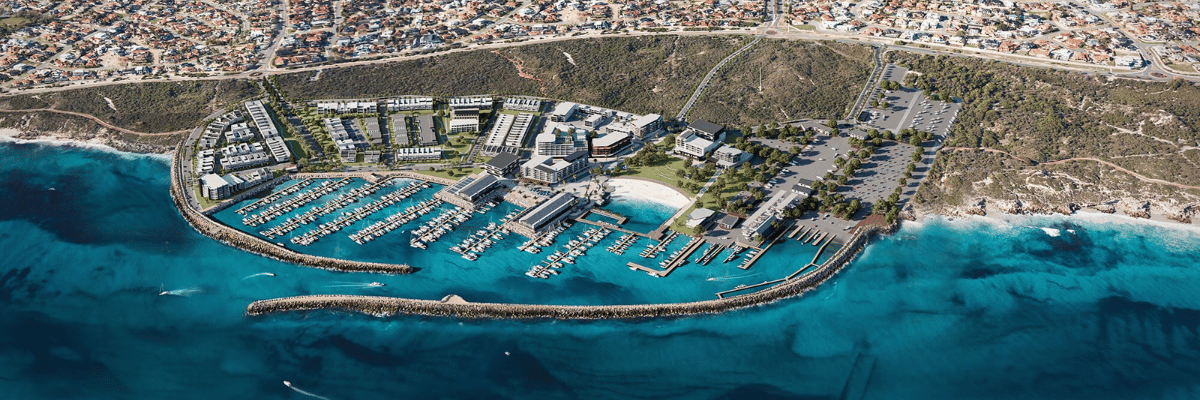
The Coralliance is a promising example of renerative marine construction: by placing structures and coatings under water that stimulate growth of aquatic life, marinas can actually help re-vitalising the waters in and around the docks for pleasure craft. The Ocean Reef Marina is currently being developed in Joondalup, a suburb of the city of Perth in Western Australia.
Think tanks
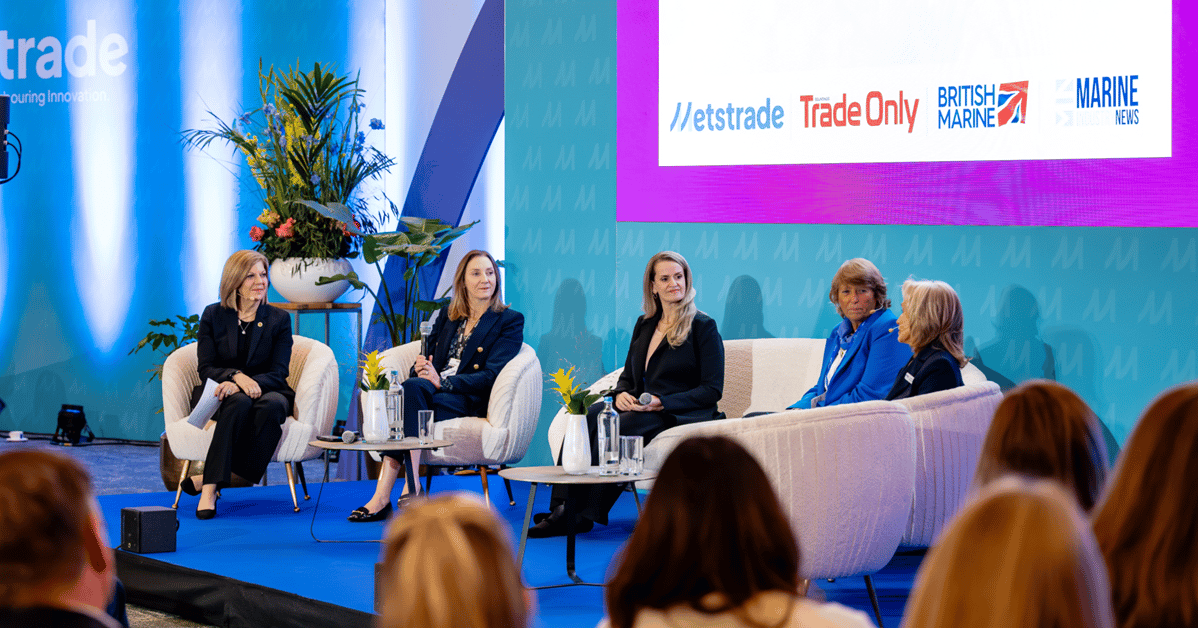
The Superyacht Forum attendants were asked how their boats could be applied to provide a positive impact on ocean life. In eight small groups, the audience discussed ways to achieve this, addressing marinas, refits, energy management, yacht equipment and more. Every group cleverly suggested ways to reduce pollution. No group could actually think of a way to turn the use of luxury yachts into positive impact.
Water supply
Strikingly, at Vrithink’s Night Out, a side program in Amsterdam on Monday Evening during the week of The Superyacht Forum, Metstrade and all the other events that gather the global marine industry, a very positive example is presented. Captain Glenn Dalby, master at large yachts operating mainly in the Caribbean, shares how he took the yacht he was then operating to Trinidad after a hurricane had struck disaster on the island and provided humanitarian help. From that experience, he took valuable lessons. What the poorer island inhabitants are in need of after natural disasters like hurricanes, flooding or excessive rain, is drinking water. Large yachts in the Caribbean all have desalinators and water purification systems that are able to produce vast amounts of very high quality potable water. Want to do something good? Distribute your good quality drinking water among the island’s population. Just have a lorry with a tank come by and pump your water into it. The desalination system can produce new water for the crew and guests straight away. Or an extra lorry load for the islanders. The owner of the yacht can be anonymous of be heralded as a help.