Upgrading superyachts in the Med
Refit facilities growth can not keep up with demand
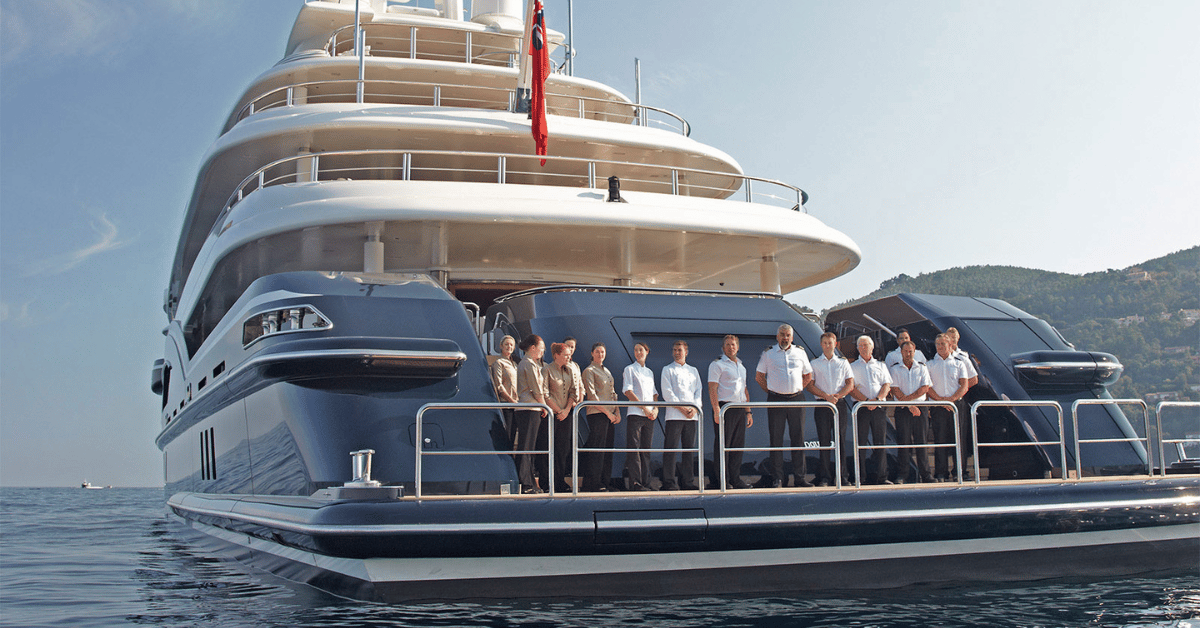
With an expanding fleet and numerous yachts that will be sailing for decades to come, the superyacht refit sector is rapidly growing. This market takes an estimated 36 percent share in total spendings for large luxury yachts. The Mediterranean Sea is the absolute hotspot for superyacht refits, because that is where the boats are. Yards are ambitious, facilities are expanding but clients are not too impressed as of yet.
 Hans Buitelaar
Refits
Refits represent 36 percent of earnings in the superyacht sector. From 2020 up to the end of 2024, the industry registered about 20600 refit projects completed with yachts over 30 meters in length. This is a twelve percent growth when compared to the five years before. The first segment of the superyacht market, vessels from 30 meter up to 40 meters of length, accounted for some 13000 refit projects. Vessels from 40 up to 60 meters of length were refitted about 6000 times. The Yacht Report’s ‘State of the Industry’ report mentions these figures, as they were presented at the Yacht Aftersales & Refit Experience in Viareggio on March 9th. Industry analysts expect the refit market to grow further. About 22000 refits are expected to be ordered by owners of such large yachts in the five years 2025 – 2029.
The Super Yacht Builders Association (SYBAss) presented their Economic Impact Study, having calculated the total value of this industry to be 54 billion dollars. The division of revenues between different segments of the industry is different than the Yacht Report figures, but it’s clear that the refit market represents a significant chunk. SYBAss is an association of new build yards, but managing director Robert van Tol has seen increased attention from it’s mambers for the refit market over the last decades.
“The fleet of yachts that our members have created, is growing and the older ones still exist. The care they demand is best trusted to the original yards. It is a matter of customer care and also an economic opportunity to cater to this need of their own customer base.”
Pieces of the pie
Other sections in the superyacht industry include crewing and management services, which make up for some 22 percent of turnover in the large yachting sector. Charter services and legal services about ownership and registration get about 19 percent of the pie, while new builds only account for 17 percent, the report shows. Yard management has access to market intelligence, too. As a result, the development of refit yards has been ongoing for over a decade and is continuing at pace. New build yards want a share in the refit market, to fill the halls in between new build projects.
North Mediterranean
As the magnitude of large luxury yachts dwell in the Mediterranean – with a part of the fleet shifting to the Caribbean during Northern hemisphere winters – it is easiest for owners and captains to have refits performed near their cruising grounds. From the Gibraltar Strait to the Turkish coast: the number of yards servicing large yachts is growing. It is the northern coast of the Mediterranean and islands that are oriënted to Europe rather than Africa, where the yachts and the yards are. Long standing yachting hubs like Palma de Mallorca, Monaco, Viareggio, Valencia and Malta all boast yards that offer refit facilities. Turkey is upcoming. Yards along the coasts of the Adriatic are only starting – except for the city of Trieste.
Expansion
Identifying some of the major refit facilities on the coasts of the Med, MB92 Group and others come to mind. The MB92 Group has gained a respected reputation for large yacht refit projects and now consists of four yards, with three in the Med and one in the Red Sea. The Mediterranean MB92 sites are Barcelona, La Ciotat and Golfe Juan – the latter two at the French Revièra. Palma de Mallorca based STP Shipyard is well known, of course because it is situated at a major yachting hub. STP Shipyard is part of the IPM group, that also includes three marinas on Mallorca, Ibiza and Valencia plus two additonal yards: the Varadero Ibiza and Varadero Valencia. Palumbo Superyachts Refit includes yards on Malta, Marseille and Naples.
The Italian city of Genoa boasts a number of yards that deliver refit services for large luxury yachts, just like Viareggio, where a number of Italian yards build new yachts but also service yacht during their lifetime. Lusben, the refit facility that is part of the Azimut-Benetti group, has opened a special keel well or the refit of sailing yachts in its Livorno facility. Here, sailing yachts can be put on the dry with the hull at surface level while the keel is lowered into the pit. The pit has a vertically moving bottom to support the keel once the yacht is lowered on its hull. The port of Valencia is currently being extended and re-developed to hande the largest yachts, with deep water quays, lifts for yachts up to 60 meters and berths for yachts up to 130 meters. At the Eastern Med, Reviva Refit in Istanbul is upcoming and working to earn their share in the superyacht refit market.
New build yards
Esteemed superyacht yards from The Netherlands, the United States and the United Kingdom seek collaborations with refit facilities along the Mediterranean. Feadship offers refit services at their four yards in The Ntherlands and co-operates with Amico & co in Genoa, MB92 in Barceona and Monaco Marine in La Ciotat to provide their clients with original yard monitored refit facilities in the Mediterranean. British yard Pendennis has their own facility in Villanova, Italy. Even if lasting co-operation agreements are not signed, the new build yards from other parts of the world try to get involved on refit projects with their yachts in the Med.
Refit up North
Yards like Icon in Harlingen, Balk Shipyard in Urk or Royal Huisman’s Huisfit in Zaandam, handle deep water finishing of newbuilds as well as refit projects. But these in the Netherlands. They need to convince owners, captains and crew that it is worth the deivery around Iberia and over Biscay to come to the north for a better refit than the boat would get in the Med.
Go green
An other factor is in play with refits: yachts that are quality built a few decades in the past, did comply to different environmental regulations than today. The more comprehensive refit projects can include engine upgrades and in some cases even replacement. Van Tol:
“Only for the largest of yachts, those over 500 Gross Tons, the IMO Route towards Net-Zero will apply. Regretfully, this has been postponed one year and will come into force by the end of 2026. In the meantime, local rules and regulations are put into place. This may be of good intention to reduce pollution, but for yachts that go from one place to another, it is impractical. How do you apply to rules that vary for a ot of cruising grounds? Over the whole fleet, we do recognise that refits present a good opportunity to improve sustainability of the existing fleet. Changing to HVO as a bunker fuel will help, too. No technical adapatations are needed to change to HVO, any diesel angine will run on it. Preparing the engines for other types of non-fossil fuels is also a very efficient and effective way to reduce the overall footprint from yachting.”
Challenges
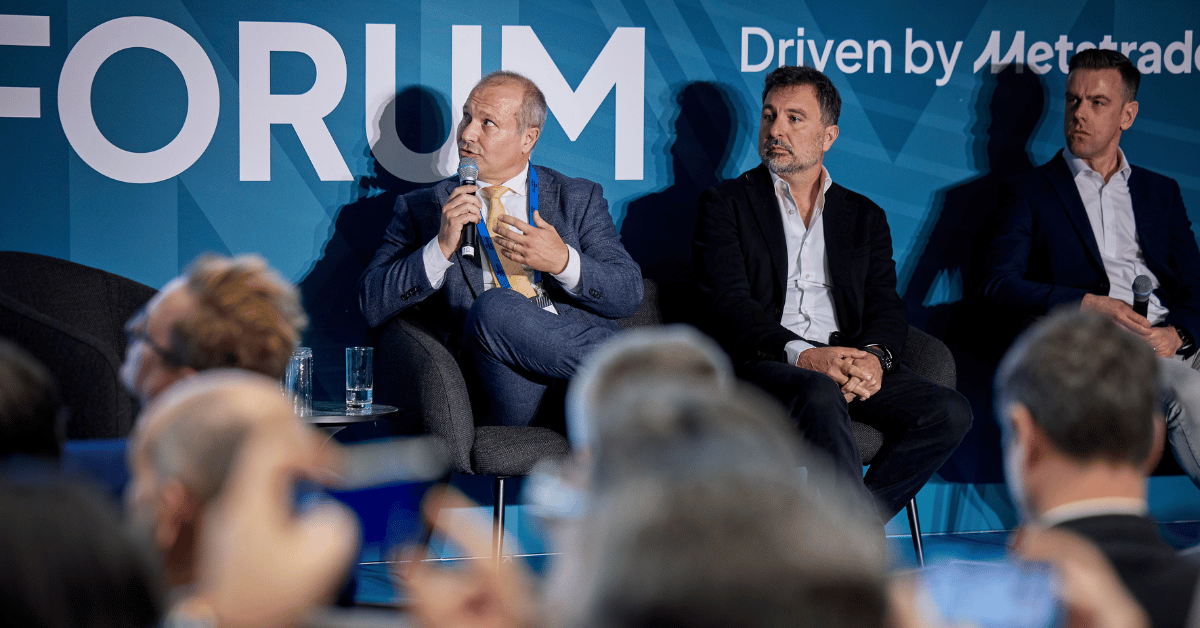
During the last edition of Metstrade, last November, the Mediterranean Superyacht Forum Industry Survey was presented. Captains, crews and owners were questioned about their experiences. The main challenge that was indicated is the limited availability of refit facilities that can handle the largest yachts, while demand for refits is growing. Furthermore, the clients indicated as the most needed improvement more transparency from the refit yards in project planning, commissioning dates and budgeting. The change that is expected to deliver the most impact would be to hire better qualified staff and provide ongoing education for the refit yard personnel.
Ambition
Ambition is high among Mediterranean refit yards. Entrepreneurs understand that they can earn a considerable chunk of the market by attracting customers with large yachts. Their clients, however, speak out to be not very impressed by the level of transparency and professionalism of the yards. The rapid grow of the number of billionaires around the world and subsequently the growth in numbers of large yachts can be identified as causes for the gap between demand and availability.